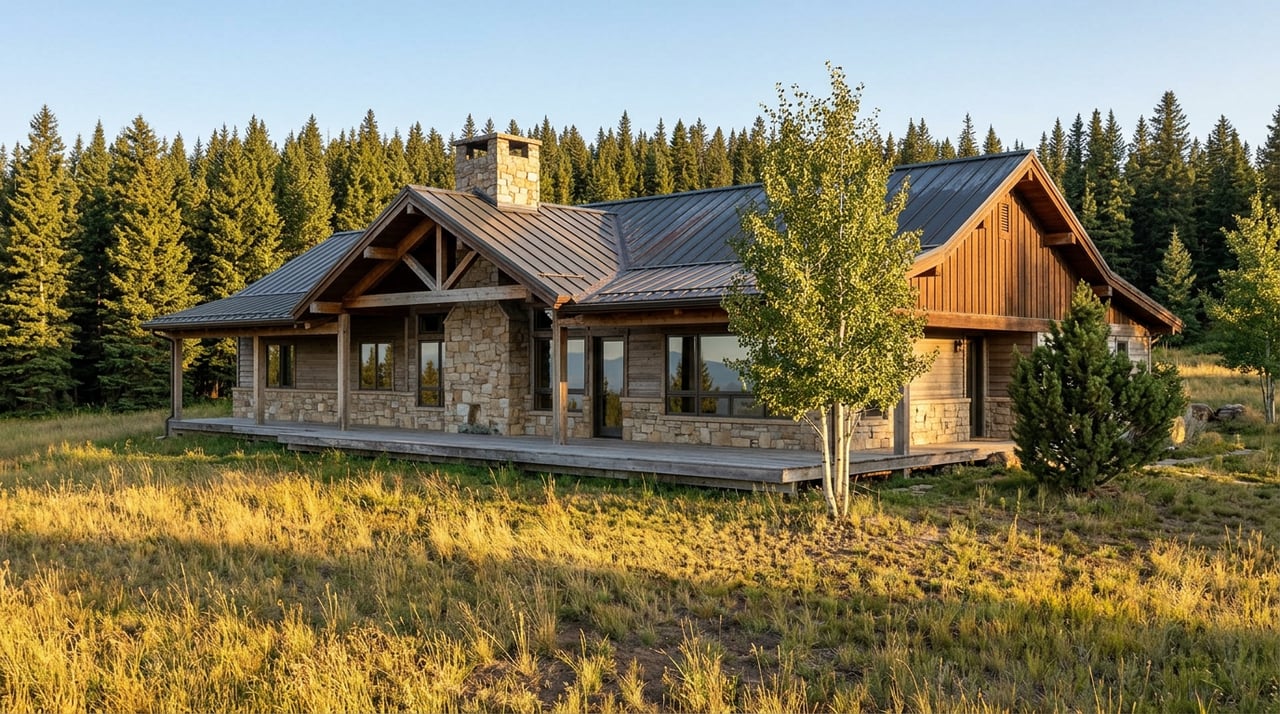
Inside the Yampa River Closure in Steamboat Springs, 2026
As KUNC reported, Johnny Spillane has run Steamboat Flyfisher on the banks of the Yampa since 2013, long enough to know the sound of a normal July inside his shop. This year the shop went quiet, and so did the sidewalk outside it. Some afternoons he'd walk up to Main Street just to check on things, and there was nothing to see. The river that usually pulls people downtown had been closed for weeks, and the quiet followed it uphill.
That's one small window into a summer that started building months before anyone tried to float a tube.
City officials didn't wait for the river to drop before sounding an alarm. On March 26, the City of Steamboat Springs and the Mt. Werner Water and Sanitation District jointly declared Stage 2 drought conditions, the kind of designation that usually doesn't show up until deep summer. The numbers behind it had been bad since winter. The Yampa-White-Little Snake Basin measured just 27 percent of median snowpack, and city officials described the season that produced it as the warmest winter on record, with the lowest snowpack ever measured across the Yampa, White, and Green River basins.
That's not a rounding error in a snow report. That's a basin that spent its entire winter running on empty, and nearly everything that happened to the river this summer traces back to it.
Most residents know the river closes when it's low. Fewer know exactly what "low" means to the city, since the criteria rarely comes up until a notice is zip-tied to a boat ramp sign. The threshold has three parts, and tripping any one of them is enough:
On July 1, the Yampa cleared the first bar. Flows fell under 85 cfs, and the city enacted a commercial and voluntary recreational closure covering tubers, paddleboarders, swimmers, and anglers alike. City officials called the timing the earliest closure the town had seen since 2012.
The number that makes that date land is the one the city put next to it: based on 118 years of USGS records, the average daily flow through downtown during the last week of June runs around 1,085 cubic feet per second. This year's river was moving at roughly eight percent of that.
It would be easy to read all of this as a single freak year, a drought that hit hard and will pass. Spillane, who's fished the Yampa for 45 years, sees it differently. He told KUNC, "It's been closing every year for really the last decade or so." What changed in 2026 wasn't the fact of a closure. It was how early it landed, arriving weeks ahead of the river's usual late-summer stress point and settling in rather than lifting after a few cool nights.
That reframes the story. The Yampa isn't breaking pattern this year. It's the pattern, now arriving earlier, and residents who've lived through the past several summers are watching the calendar shift under them the same way skiers watch opening day creep later each fall.
The closure's most visible effect was an empty riverbed. Its least visible effect showed up on cash registers. Spillane called July his shop's usual biggest month of the year. This year, retail sales dropped hard, and he said other downtown retailers were describing the same slump. He tied the quiet partly to the closure itself and partly to wildfire smoke and higher gas prices keeping visitors away from town altogether.
None of that shows up on a river gauge. It shows up in the gap between customers walking through the door of a shop that depends on people wanting to get wet.
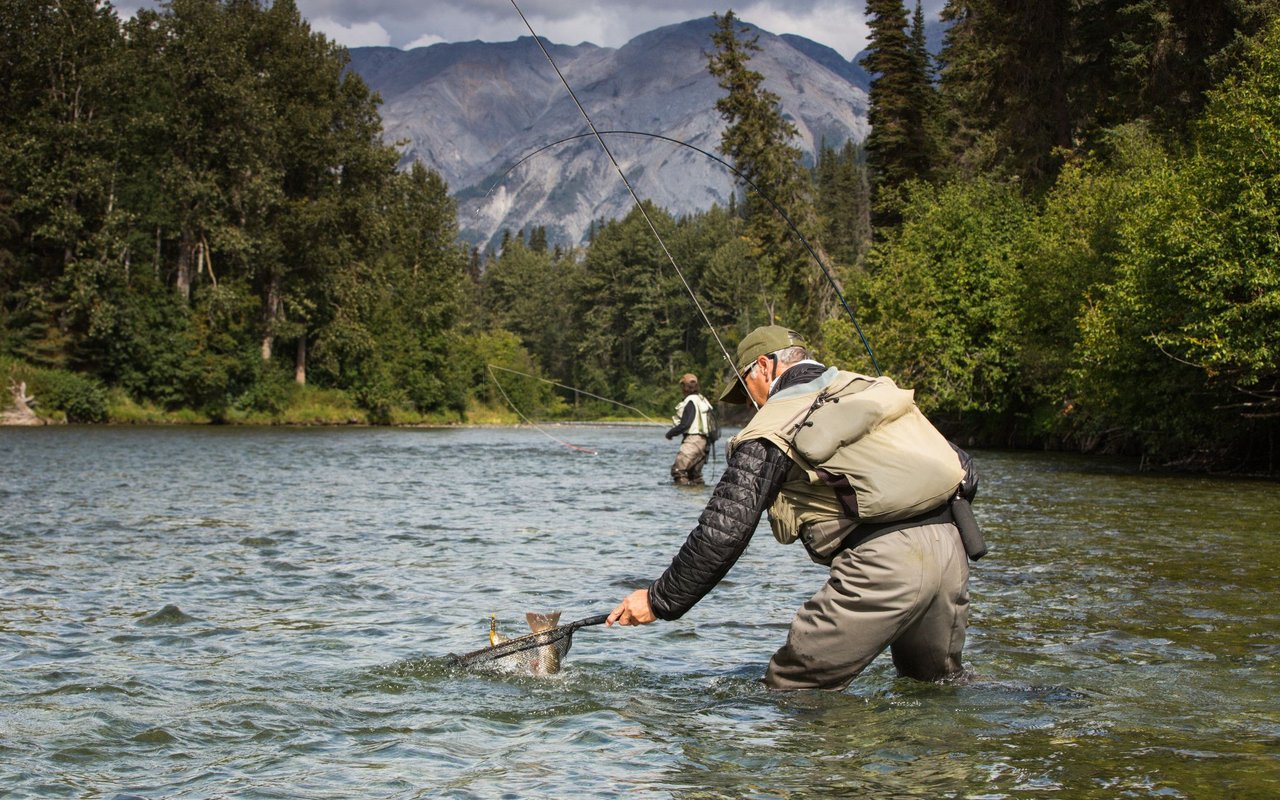
Closures didn't mean Routt County stopped fishing, it just meant the fishing moved uphill. Anglers shifted to the high country, where the Flat Tops and the Zirkel Wilderness kept offering water cool and full enough to fish responsibly. Guiding in those areas stayed fairly steady through the same weeks the valley floor went dry, which says the demand for fishing around Steamboat never disappeared this summer. It relocated.
The river was never the only place this summer's water shortage surfaced. Stage 2 fire restrictions took effect June 25, closing off open charcoal grills and even barring fire pits at private residences for people holding standard burn permits.
"Conditions across our region are primed for wildfire this summer," said Fire Chief Chuck Cerasoli.
By late July, the city and Mt. Werner Water District moved households onto a mandatory two-day-per-week outdoor watering schedule. Water Resources Manager Julie Baxter called it a necessary step to reduce outdoor water use and help protect the Yampa River.
The city also leaned on residents directly. On August 22, the Routt County Wildfire Mitigation Council partnered with the city, Steamboat Resort, and SavATree to offer free chipping of seasonal tree debris at Steamboat Resort's Meadows Parking Lot, giving homeowners a way to clear hazardous slash before conditions got worse. Council Executive Director Josh Hankes put it simply: "The next best time is now."
A closed river, a two-day watering schedule, a fire pit ban, a free chipping day. None of these are separate headlines. They're the same drought, showing up in four different places a Steamboat resident runs into during an ordinary week.
If there's a practical habit this summer taught the valley, it's this: the river's status isn't something you can assume from memory of last July. It has to be checked, the same way you'd check an avalanche report before skiing out of bounds. The city posts current restrictions and closure status on its official closures page, and Friends of the Yampa maintains flow guides broken out by river section, so anyone planning a float, a cast, or a paddle can see what a given cubic-foot reading actually means for the stretch they're heading to before loading the truck.
The Yampa has closed and reopened more than once over the past decade, and this year's closure arrived earlier and held longer than most residents can recall. Whether that becomes the new normal or eases with a wetter winter isn't something anyone in Steamboat can answer yet. What's already clear is that the river's rhythm now shapes the town's rhythm nearly as much as ski season does, and keeping an eye on it has become part of living here in summer the way checking snow totals is part of living here in winter.
If you're weighing how a summer like this one shapes life and property along the Yampa corridor, or you just want a local's read the next time conditions shift, reach out to Kelly Conway. Let's Connect.
This article is general information, not legal, tax or financial advice. Consult a qualified professional about your situation.
Stay up to date on the latest real estate trends.

Kelly Conway provides personalized real estate guidance backed by local expertise and a deep understanding of the Steamboat Springs market. Whether buying, selling, or investing, clients receive dedicated support, strategic insight, and a seamless experience tailored to their unique real estate goals.
KELLY CONWAY
655 Yampa St Unit C Steamboat Springs, CO 80487